


Silver Gold vs Rose Gold Band Guide for Apple Watch
A silver gold band is defined as a cool-toned metal finish, typically a silver or white alloy or plated stainless steel, while a rose gold band is a warm-hued alloy made with copper that gives it a distinctive pinkish tone. This silver gold vs rose gold band guide cuts through the confusion for Apple Watch buyers who want both style and durability. The choice matters more than most people realize. Rose gold is harder than silver-toned alloys due to its copper content, which ranges from 20% to 40%, making it more scratch resistant for daily wear. Wizeband offers both finishes in its 316L stainless steel lineup, so understanding the real differences helps you buy with confidence.
How do silver gold and rose gold bands differ in appearance?
Silver gold and rose gold produce completely different visual effects on the wrist. Silver gold delivers a clean, cool-toned look that reads as modern and minimal. Rose gold carries warmth and a soft pinkish hue that many people describe as romantic or feminine.
Skin tone compatibility is one of the most practical factors in this gold vs rose gold comparison. Silver tones complement cool undertones and pair naturally with gray, navy, and blue wardrobes. Rose gold, by contrast, suits a broader range of skin tones, including fair, olive, and medium complexions, because its warm copper hue bridges cool and warm undertones.
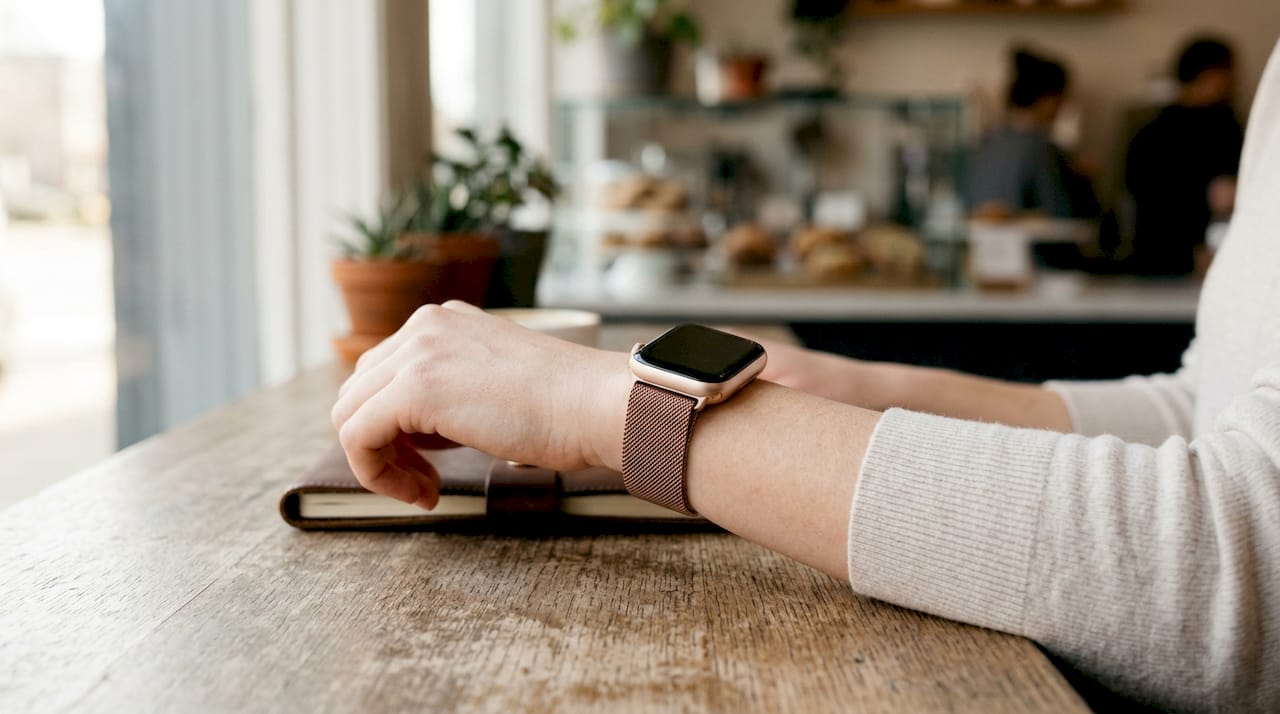
Wardrobe fit also separates the two finishes clearly. Silver gold bands look sharp with business attire, monochrome outfits, and casual streetwear. Rose gold bands work across casual, formal, and evening looks without clashing. That versatility is a genuine advantage for buyers who wear one band all day.
Here is a quick breakdown of how each finish aligns with common style profiles:
- Silver gold: Best for cool skin undertones, minimalist style, and gray or blue wardrobes
- Rose gold: Best for warm or neutral undertones, romantic or feminine style, and earth-tone wardrobes
- Both finishes: Work well with black, white, and neutral outfits
- Silver gold: Pairs well with silver jewelry and white gold accessories
- Rose gold: Pairs well with warm-toned jewelry and copper or bronze accents
Pro Tip: Hold both finishes against your inner wrist in natural light. The one that makes your skin look brighter and more even is the better match for your undertone.
What are the durability and maintenance differences?
Rose gold is the more durable finish of the two. Copper content increases hardness in rose gold alloys, giving the metal better scratch resistance than silver-toned alternatives. That physical advantage translates directly to longer-lasting appearance on a band you wear every day.
Silver gold bands built from 316L stainless steel with plating perform well, but pure silver behaves differently. High-quality metal watch bands use stainless steel bases with silver-tone plating rather than pure silver, because pure silver is too soft and scratches easily. The distinction between a silver gold finish on stainless steel versus a pure silver band is significant for daily wear.
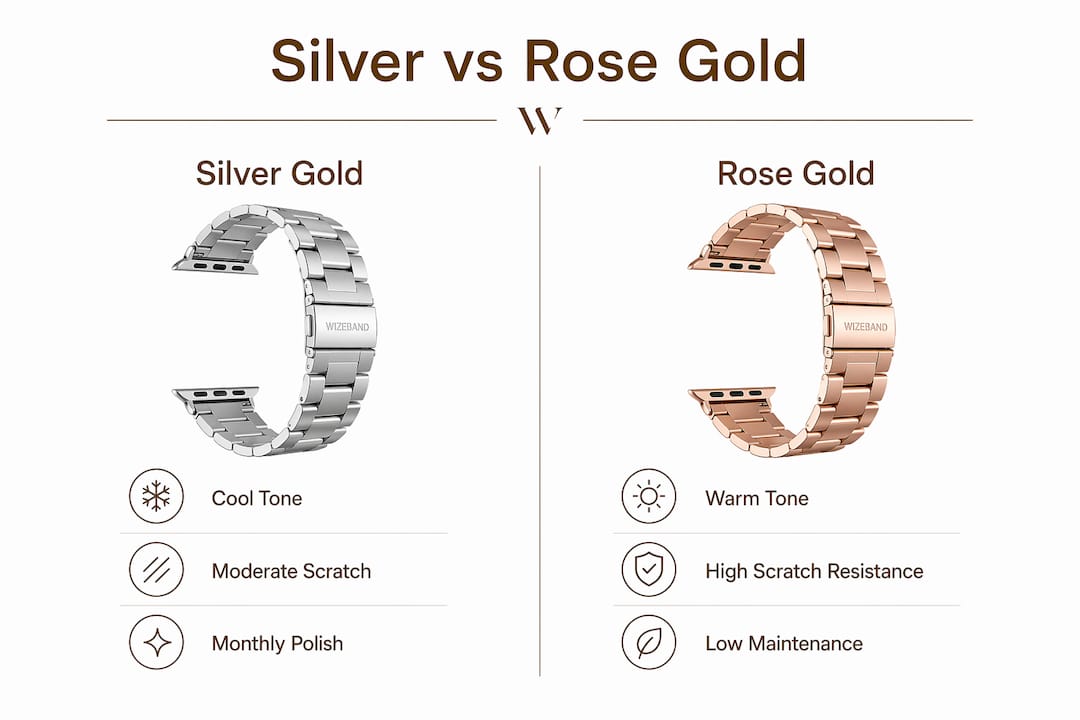
Maintenance requirements also differ between the two finishes. Sterling silver requires monthly polishing to prevent tarnish, while stainless steel bands with PVD finishes need only occasional wiping with a soft cloth. That difference adds up over months of daily use.
Environmental factors matter too. Resistance to sweat, humidity, and oxidation determines long-term appearance more than precious metal content alone. Apple Watch bands face all three conditions constantly, which makes finish quality and base metal choice critical.
| Factor | Silver gold band | Rose gold band |
|---|---|---|
| Scratch resistance | Moderate (stainless base) | Higher (copper hardness) |
| Tarnish risk | Low to moderate | Very low |
| Maintenance frequency | Monthly polishing (if silver) | Occasional wipe-down |
| Sweat resistance | Good (stainless steel) | Good (stainless steel) |
| Color longevity | Depends on plating quality | Inherent to alloy |
Pro Tip: Rinse your band with fresh water after workouts and pat it dry. This single habit prevents most tarnish and oxidation issues regardless of which finish you choose.
What manufacturing techniques affect band quality?
The construction method behind a band determines its real-world durability far more than the finish color alone. Two bands can look identical in photos but perform very differently after six months of daily wear.
Solid alloy bands and plated bands are the two main categories. A solid alloy band is made entirely from the metal in question, while a plated band uses a stainless steel base coated with a thin layer of the finish color. For Apple Watch bands, PVD-coated stainless steel delivers a finish that is harder, hypoallergenic, and tarnish resistant compared to raw precious metal alloys. PVD stands for Physical Vapor Deposition, a process that bonds the finish to the base metal at a molecular level.
Rose gold’s color has an additional advantage. Rose gold’s copper-derived color does not fade or rub off over time because it is inherent to the alloy, though heavy wear can develop a natural patina. On a PVD-coated rose gold band, that color stability combines with the coating’s hardness for a finish that holds up under active daily use.
When evaluating any metal Apple Watch band, check for these quality indicators:
- Base metal: 316L stainless steel is the standard for durability and hypoallergenic performance
- Coating method: PVD coating outperforms electroplating for longevity and scratch resistance
- Clasp type: Butterfly or jewelry clasps distribute pressure evenly and reduce wear at contact points
- Finish thickness: Thicker PVD layers last longer; reputable brands list this specification or demonstrate it through warranty terms
- Hypoallergenic certification: Nickel-free finishes matter for buyers with sensitive skin
Wizeband builds its bands from 316L stainless steel with metal link construction and butterfly clasps, covering both silver gold and rose gold finishes across its lineup.
How to choose between silver gold and rose gold for your Apple Watch?
The right choice comes down to four factors: skin tone, wardrobe, lifestyle, and maintenance willingness. Working through each one systematically removes most of the uncertainty.
Follow these steps to reach a clear decision:
- Check your skin undertone. Look at the veins on your inner wrist. Blue or purple veins indicate cool undertones, which favor silver gold. Green veins indicate warm undertones, which favor rose gold. Mixed colors suggest neutral undertones, which work with both.
- Audit your wardrobe. Pull out the five items you wear most often. If they skew toward cool colors like navy, gray, and black, silver gold will integrate better. If they lean toward warm tones like beige, brown, and burgundy, rose gold is the natural fit.
- Assess your lifestyle. Active buyers who sweat frequently, work with their hands, or wear their watch during workouts benefit from rose gold’s higher hardness. Both finishes on a 316L stainless steel base handle daily wear, but rose gold’s copper content adds a physical edge.
- Be honest about maintenance. Silver gold bands on stainless steel require minimal care, but any silver-based finish needs more attention than rose gold. If you want a band you can wear and forget, rose gold PVD is the lower-maintenance option.
- Test in person when possible. Hold the band against your wrist before buying. Color perception changes significantly between screen and real life, and the weight and clasp feel matter for comfort.
The most common mistake buyers make is choosing based on the Apple Watch case color alone. The band finish should complement your skin and wardrobe first. The watch case adapts to the band more easily than your skin tone does.
Pro Tip: If you genuinely cannot decide, the Wizeband Essentials Bundle includes multiple finishes so you can rotate based on outfit and occasion without committing to one color permanently.
A detailed guide for small wrists covers how band width and link size interact with finish choice, which is worth reading if fit is also a concern.
Key takeaways
Rose gold bands outperform silver gold in scratch resistance and maintenance ease because copper content hardens the alloy and PVD coatings lock in color without fading.
| Point | Details |
|---|---|
| Rose gold is harder | Copper content between 20% and 40% gives rose gold better scratch resistance for daily wear. |
| Silver gold suits cool undertones | Silver-toned finishes complement cool skin undertones and gray or blue wardrobes most naturally. |
| PVD coating matters most | A PVD-coated stainless steel band outlasts raw precious metal alloys in color retention and durability. |
| Maintenance differs significantly | Rose gold PVD needs only occasional wiping; silver-based finishes require monthly polishing to prevent tarnish. |
| Lifestyle drives the final call | Active wearers benefit from rose gold’s hardness; style-first buyers should prioritize skin tone and wardrobe fit. |
Why I think most buyers overthink the finish choice
Rose gold carries a modern, romantic mood that yellow gold and silver tones simply do not replicate. That emotional quality is real, and it influences how you feel wearing the band every day. Most buyers I have observed focus entirely on durability specs and miss this dimension completely.
The decision between finishes often hinges less on durability and more on the mood and style statement each metal conveys. Durability matters, and rose gold does win on that front. But a band you love wearing is more valuable than a band that technically lasts longer in a lab test.
My honest observation after watching buyers choose metal bands: the people most satisfied with their purchase are the ones who tested the finish against their skin in real light, not the ones who read the most spec sheets. Silver gold looks stunning on the right wrist. Rose gold looks equally stunning on a different one. Neither finish is universally better.
If you are still undecided, buy both and rotate. The cost of a second band is far lower than the frustration of wearing the wrong one for a year.
— John
Wizeband’s metal bands in silver gold and rose gold
Wizeband has built its lineup around the exact trade-offs covered in this guide. Every band starts with a 316L stainless steel base, uses butterfly clasps for even pressure distribution, and comes in both Silver Gold and Rose Gold finishes.

The Agatha Metal Strap and Gaia Metal Strap are the two strongest options for buyers who want a band that looks like jewelry and holds up under daily wear. Both are compatible with Apple Watch Series 4–10, SE, and Ultra 2, and come in two size groups to simplify fit. For buyers who want to try both finishes before committing, the Wizeband Starter Kit offers a practical entry point with multiple options in one purchase.
FAQ
What is the difference between silver gold and rose gold bands?
Silver gold bands use a cool-toned silver or white metal finish, typically on a stainless steel base. Rose gold bands use a copper-enriched alloy that produces a warm pinkish hue and greater hardness.
Is rose gold more durable than silver gold for Apple Watch bands?
Yes. Rose gold’s copper content makes it harder and more scratch resistant than silver-toned alloys, giving it a durability advantage for daily wear.
Does rose gold fade on metal Apple Watch bands?
Rose gold’s color is inherent to its copper alloy and does not fade. On PVD-coated bands, the finish is also bonded at a molecular level, making color loss very unlikely under normal wear conditions.
Which finish is better for sensitive skin?
Both silver gold and rose gold bands on 316L stainless steel bases are hypoallergenic when finished with PVD coating. Buyers with nickel sensitivity should confirm the band is nickel-free before purchasing.
Can I wear a metal Apple Watch band during workouts?
Yes, but sweat and humidity resistance depends on the base metal and coating quality rather than the finish color. A 316L stainless steel band with PVD coating handles workout conditions well in either silver gold or rose gold.
Recommended
Aus dem Blog
Alle anzeigen


Hinterlassen Sie einen Kommentar