


Metal Band vs Sport Band for Apple Watch: 2026 Guide
The difference between a metal band and a sport band for Apple Watch comes down to material, weight, and what you plan to do while wearing it. Metal bands, typically crafted from 316L stainless steel with link assemblies and butterfly clasps, deliver a polished, jewelry-like appearance. Sport bands, made from FKM fluoroelastomer or similar synthetic materials, are built for movement. Knowing which suits your lifestyle saves you from buying the wrong band twice.
What is the difference between metal bands and sport bands?
The core distinction is material. Metal bands use stainless steel or hypoallergenic alloys formed into linked segments, secured with butterfly or push-button clasps. Sport bands use fluoroelastomer, a dense synthetic rubber that is flexible, non-porous, and completely waterproof. That single material difference drives every other tradeoff: weight, breathability, cleaning, and style.
Metal bands offer a versatile look that moves from a formal meeting to a casual dinner without looking out of place. Sport bands focus on function. They prioritize grip, moisture resistance, and a flat profile that does not catch on clothing during movement.
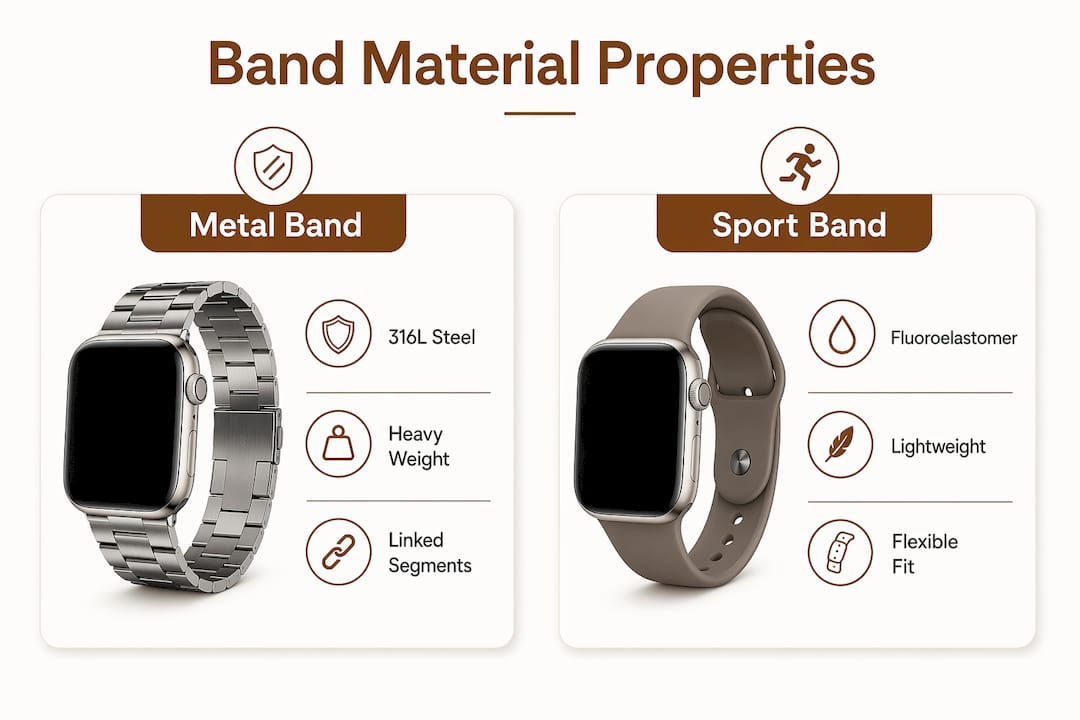
Material properties at a glance
| Feature | Metal band | Sport band |
|---|---|---|
| Core material | 316L stainless steel or alloy | FKM fluoroelastomer |
| Weight | Heavier | Lightweight (around 14 grams) |
| Water resistance | Moderate (avoid chlorine) | Fully waterproof |
| Breathability | Low | Moderate |
| Closure type | Butterfly or push-button clasp | Pin-and-tuck |
| Best use | Everyday wear, formal occasions | Workouts, outdoor activity |
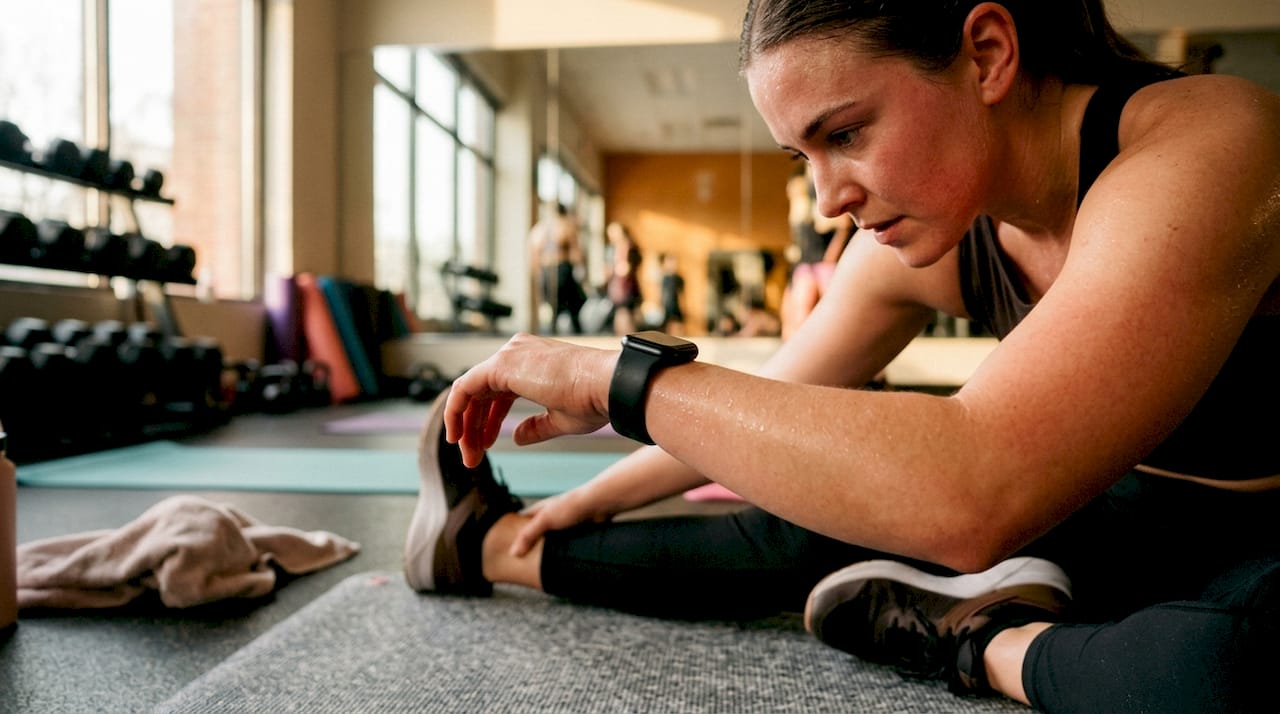
Pro Tip: If you wear your Apple Watch in the shower daily, a sport band is the lower-maintenance choice. Metal bands need a rinse and dry after repeated moisture exposure to prevent skin irritation.
How do weight and comfort differ during daily wear and exercise?
Metal bands are significantly heavier than sport bands because stainless steel is denser than fluoroelastomer. That extra weight creates a premium, substantial feel on the wrist. For desk work or a dinner out, most users find that weight satisfying. During a 45-minute run or a HIIT session, it becomes a distraction.
Sport bands weigh around 14 grams, which means you barely notice them during cardio. They flex with wrist movement and do not shift during overhead lifts or lateral movements. Metal bands, by contrast, can slide slightly on the wrist as you move, which affects both comfort and heart rate sensor accuracy.
Skin breathability is another real difference. Metal links allow some airflow between segments, but the clasp and underside of the band still trap heat during exercise. Fluoroelastomer sits flat against the skin and does not absorb sweat, so heat dissipates faster. Users with sensitive skin often report less redness with sport bands during long cardio sessions.
Leaning toward the dressier side of the comparison? The Themis Stainless Band is a useful first look if you want a bracelet feel without losing everyday wearability.
To compare both ends of the spectrum, browse our metal Apple Watch bands next to silicone Apple Watch bands. If comfort-first wear still matters, the Terra Loop Band is a good contrast point to keep in mind.
You can also narrow into stainless steel Apple Watch bands or scan the wider Apple Watch bands collection to compare finish, weight, and styling in one place.
- Long cardio (running, cycling): Sport bands win on comfort and sensor contact.
- HIIT and strength training: Sport bands stay put; metal bands may shift.
- Yoga and low-impact movement: Either works, though metal bands feel more stable at rest.
- Sensitive skin: Sport bands reduce friction and heat buildup.
Pro Tip: Loosen your metal band by one link before a workout. A slightly looser fit reduces heat buildup without sacrificing sensor accuracy.
What are the practical benefits and drawbacks for active lifestyles?
Sport bands are built for sweat. Fluoroelastomer does not retain moisture, so a quick rinse under tap water removes sweat, salt, and sunscreen residue in seconds. There is no odor retention because the material is non-porous. For users who work out daily, that low-maintenance quality is a genuine advantage.
Metal bands can trap moisture underneath the links, particularly at the clasp. Chlorine from pools is especially problematic. It accelerates corrosion on lower-grade alloys and can cause skin irritation if the band is not dried thoroughly after swimming. High-quality 316L stainless steel handles occasional water exposure well, but it is not the right choice for lap swimmers.
Pin-and-tuck closures on sport bands lie flat against the wrist, which reduces chafing during high-movement activities. Metal clasps, while secure, sit slightly proud of the wrist surface. That raised profile can catch on gym equipment or press into the skin during push-ups.
Pros and cons for active use
| Category | Metal band | Sport band |
|---|---|---|
| Sweat resistance | Moderate | Excellent |
| Post-workout cleaning | Requires drying | Rinse and go |
| Closure security | High | High |
| Chafing risk | Moderate | Low |
| Swimming suitability | Avoid chlorine | Fully suitable |
| Style after gym | Office-ready | Casual only |
The one area where metal bands hold an edge for active users is versatility. You can finish a light workout, wipe down the band, and walk into a meeting without changing. Sport bands signal “gym mode” regardless of what you are wearing. For users who want one band for the whole day, a metal band for fitness use is viable if the activity is moderate rather than intense.
What maintenance and allergy considerations should you know?
Sport bands need the least maintenance of any Apple Watch band type. Rinse with water after each workout and let air dry. The non-porous surface does not hold bacteria or odor. One exception: nylon sport loops. Nylon sport loops absorb sweat and need washing every one to two weeks to prevent odor buildup. That is a meaningful difference from silicone sport bands, which stay fresh with a simple rinse.
Metal bands require more deliberate care. Wipe down after sweating, dry the clasp area thoroughly, and avoid prolonged chlorine exposure. A soft cloth and mild soap handle most cleaning needs. For best metal band maintenance, inspect the clasp mechanism monthly to confirm it closes securely.
Allergy risk is a real consideration. Standard metal alloys often contain nickel, which triggers contact dermatitis in a notable portion of the population. Hypoallergenic metal bands use nickel-free stainless steel to reduce that risk. Wizeband’s 316L stainless steel construction falls into this category. For users with known metal sensitivities, checking for a nickel-free label before buying is non-negotiable.
Fluoroelastomer used in sport bands is hypoallergenic by nature. It does not contain nickel or latex, making it the safer default for users with sensitive skin band concerns. The tradeoff is that fluoroelastomer can cause heat rash if worn too tight during prolonged activity in warm weather.
- Sport band care: Rinse after sweat, air dry, replace if cracked or discolored.
- Metal band care: Wipe dry after moisture, avoid chlorine, inspect clasp monthly.
- Allergy check: Look for nickel-free labeling on metal bands; fluoroelastomer is naturally hypoallergenic.
- Nylon loop care: Machine wash on gentle cycle every one to two weeks.
Pro Tip: If you notice redness under your metal band after a workout, the issue is usually trapped moisture rather than a metal allergy. Try drying the band and wrist area immediately after exercise before concluding you need to switch materials.
Key Takeaways
The right Apple Watch band depends on your activity level, skin type, and how much you want to maintain it. Metal bands suit style-focused users with moderate activity; sport bands suit daily exercisers who prioritize comfort and easy care.
| Point | Details |
|---|---|
| Material defines the tradeoff | Metal bands use 316L stainless steel; sport bands use FKM fluoroelastomer, which is lighter and waterproof. |
| Weight affects workout comfort | Sport bands weigh around 14 grams; metal bands are noticeably heavier and can shift during intense exercise. |
| Cleaning effort differs | Sport bands rinse clean in seconds; metal bands need thorough drying to prevent moisture buildup and irritation. |
| Allergy risk is manageable | Nickel-free metal bands reduce reaction risk; fluoroelastomer is hypoallergenic by default. |
| Versatility favors metal | Metal bands transition from gym to office; sport bands are best suited to active or casual settings only. |
What I actually recommend after years of watching this debate
The metal vs sport band debate gets framed as a style versus function choice. That framing is too simple. The real question is: how many times a week do you genuinely push your heart rate above 140 BPM while wearing your watch?
If the answer is four or more times a week, a sport band is the practical choice for those sessions. The weight difference is real, the cleaning is faster, and the pin-and-tuck closure does not dig into your wrist during floor exercises. No amount of style preference changes those physical facts.
If you work out twice a week at moderate intensity, a quality metal band handles it fine. Wizeband’s 316L stainless steel construction, with its butterfly clasp and quick-adjust system, stays secure during light to moderate activity. The band looks polished enough to wear straight from a gym session to a casual lunch without anyone noticing you just exercised.
The approach I find most practical is owning one of each. Wear the metal band Monday through Friday when you are in meetings or out socially. Switch to a sport band for dedicated workout days. The Apple Watch band swap takes under 10 seconds. That flexibility costs less than most people assume, especially when bundle options exist.
The one thing most articles skip: closure type matters as much as material. A metal band with a well-engineered butterfly clasp stays more secure during movement than a poorly fitted sport band. Fit and closure quality determine comfort more than material alone.
— John
Wizeband’s metal bands for every Apple Watch occasion
Wizeband has built its lineup around the idea that your Apple Watch band should look like jewelry and perform like an accessory you never have to think about.

The Wizeband Essentials Bundle gives you multiple metal band options in finishes like Silver Gold, Rose Gold, and Starlight, all compatible with Apple Watch Series 4–10, SE, and Ultra 2. Each band uses 316L stainless steel with a butterfly clasp and a quick-adjust system, so you get a custom fit without tools. If you are new to metal bands, the Wizeband Starter Kit is a lower-commitment entry point. Use the band sizing tool to get the fit right from the first wear.
FAQ
What is the main difference between a metal band and a sport band?
A metal band uses stainless steel links with a clasp closure, offering a premium look but more weight. A sport band uses FKM fluoroelastomer, which is lightweight, waterproof, and designed for physical activity.
Can you wear a metal Apple Watch band to the gym?
Yes, for moderate workouts. Metal bands are heavier and trap more moisture than sport bands, so they are less comfortable during intense or prolonged exercise. For daily gym use, a sport band is the better fit.
Are metal Apple Watch bands hypoallergenic?
Not all of them. Bands made from nickel-free 316L stainless steel, like those from Wizeband, are labeled hypoallergenic and reduce the risk of contact dermatitis. Always check the alloy composition before buying if you have metal sensitivities.
How do you clean a sport band vs a metal band?
Sport bands rinse clean under tap water in seconds and air dry quickly. Metal bands need wiping with a soft cloth, thorough drying at the clasp, and should be kept away from chlorinated water to prevent corrosion and skin irritation.
Which band is better for sensitive skin?
FKM fluoroelastomer sport bands are hypoallergenic by default and cause fewer reactions than standard metal alloys. Users with metal sensitivities who prefer a metal look should choose a nickel-free stainless steel band specifically labeled hypoallergenic.
Recommended
From the blog
View all


Leave a comment