


Why Replace Your Factory Apple Watch Band
The factory Apple Watch band is a functional starting point, not a permanent solution. Most owners replace it within the first year because the original band wears down, causes skin irritation, or simply does not fit every occasion. Understanding why replace factory Apple Watch band choices matter goes beyond looks. The right replacement protects your watch, keeps your wrist comfortable, and lets you adapt the device to your actual life. Whether you work out daily, sit in meetings, or do both, the band you wear makes a real difference.
Why replace your factory Apple Watch band
The Apple Watch’s modular band design is one of its most underused features. Apple built the watch so you can swap bands in seconds, transforming it from a fitness tracker into a dress accessory without changing the device itself. Most owners treat the factory band as permanent, which limits what the watch can do for them.
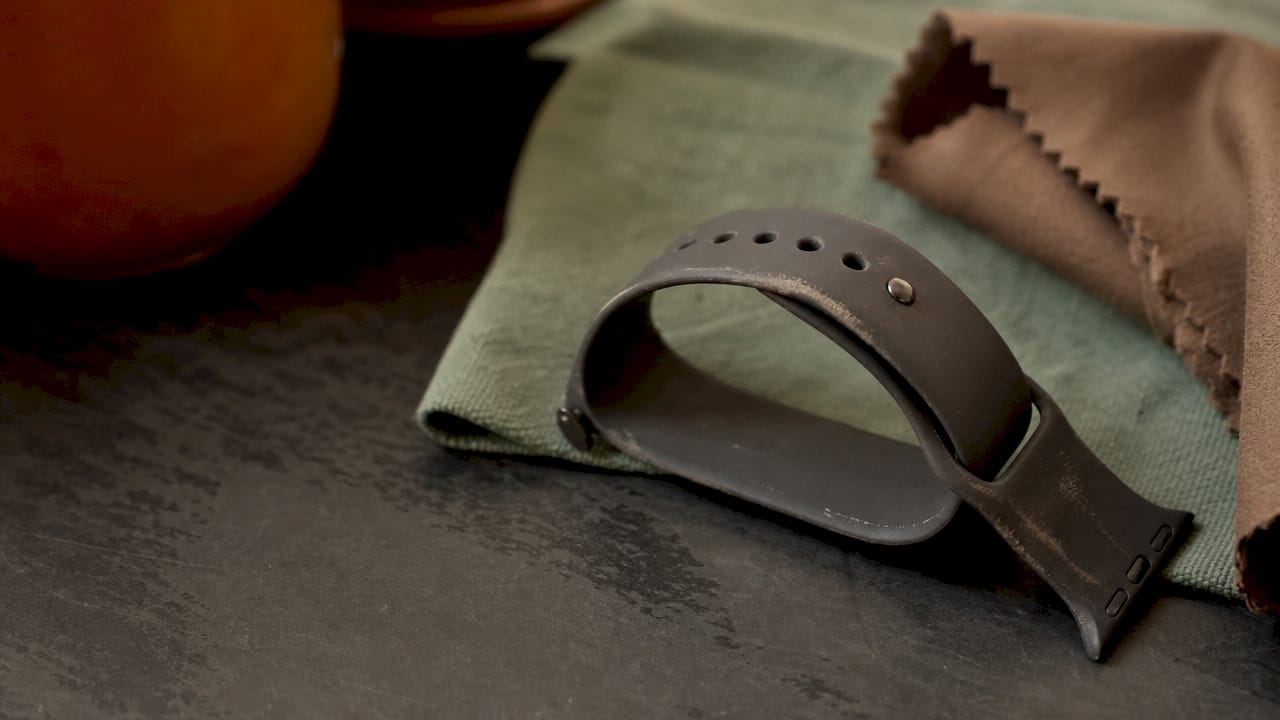
Factory bands are made from fluoroelastomer, a synthetic rubber Apple tests for allergens and toxic plasticizers. That material works well for casual daily wear. The problem is that factory bands last between one and three years under regular use, and many owners push them well past that point without noticing the gradual degradation.
The bigger issue is versatility. A sport band looks out of place in a boardroom. A metal link band is uncomfortable during a 5K run. The factory band tries to cover every situation and ends up being ideal for none of them.
What wear signs and safety issues mean it’s time to swap
Physical damage is the clearest signal that a band needs replacing. Cracking, peeling, or a wobbly connector all indicate the band can no longer hold the watch securely. A loose connector is not a minor annoyance. It means the watch can detach during movement and hit the ground.
Watch for these specific signs:
- Cracking or peeling on the band surface, especially near the buckle or connector ends
- Discoloration or stiffness caused by sweat and sunscreen buildup breaking down the material
- Fraying edges on fabric or leather bands that catch on clothing
- A wobbly or sticky connector that does not click firmly into place
- Persistent skin redness or itching under the band, even after cleaning
Sweat, dirt, and sunscreen accelerate wear faster than most owners expect. These substances work into the connector mechanism and cause sticking. A band that feels slightly loose today can fail completely within weeks.
Pro Tip: Inspect the connector pins every month by pressing the band release button and checking for play. If the band shifts more than a millimeter without pressing the button, replace it.
How upgrading to a premium band improves comfort and durability
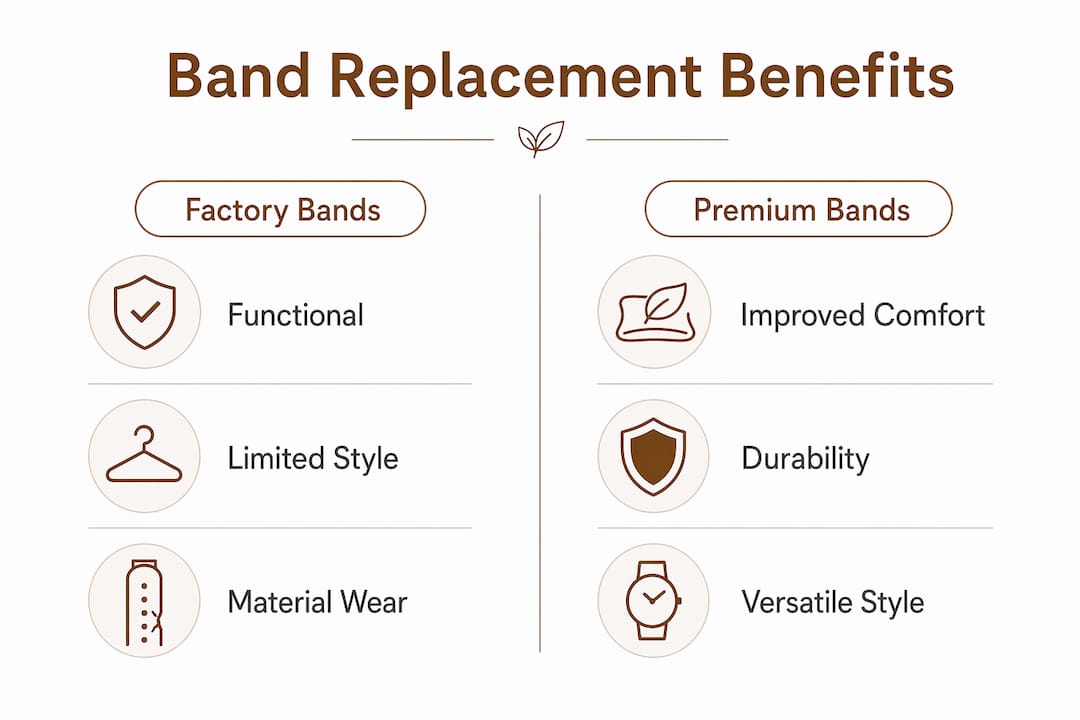
Material quality separates a good band from a frustrating one. Apple’s fluoroelastomer passes dermatological testing and is free of nickel, heavy metals, and common allergens. Cheap third-party bands do not go through the same testing. Unverified silicone can trap sweat and bacteria against the skin, leading to contact dermatitis. Plastic locking lugs on budget bands can snap during high-impact activity, dropping the watch entirely.
The material hierarchy matters when choosing a replacement:
| Band material | Best use case | Key risk |
|---|---|---|
| Factory fluoroelastomer | Everyday casual wear | Degrades after 1–3 years |
| Budget silicone (unverified) | Low-cost option | Chemical irritation, weak lugs |
| 316L stainless steel | Professional and formal wear | Heavier than rubber |
| Quality leather | Office and evening wear | Not water-resistant |
| Certified hypoallergenic metal | Sensitive skin, daily wear | Requires occasional resizing |
Premium bands made from 316L stainless steel reduce skin irritation and hardware failure. The 316L grade is the same alloy used in surgical instruments. It resists corrosion, does not leach metals into the skin, and holds its finish for years. Wizeband uses 316L stainless steel across its metal band lineup, with butterfly clasps and metal locking lugs instead of plastic components.
Metal locking lugs provide far greater safety than plastic alternatives during exercise. The connector mechanism takes the most stress during movement, and metal holds that stress without cracking.
Pro Tip: When buying any third-party band, check the product listing for “316L stainless steel” and “metal locking lugs” specifically. Listings that only say “stainless steel” without the grade number often use lower-quality alloys.
How the Apple Watch’s modular design unlocks more from your watch
The Apple Watch functions as a modular platform, not a fixed device. The band defines how the watch looks and feels in any context. Swapping bands takes under 30 seconds and costs nothing once you own the replacement.
Practical band swaps that most owners benefit from:
- Workout band: A stretchy nylon or silicone band stays secure during runs and gym sessions. The Straton Stretchy Nylon Band from Wizeband fits this role with a flexible weave that breathes during activity.
- Office band: A metal link band or leather strap reads as professional jewelry rather than a fitness device. This matters in client-facing roles where appearance signals attention to detail.
- Evening or formal band: A stainless steel bracelet-style band matches dress watches in weight and finish. Wizeband’s Themis Stainless Band works in this context across Silver Gold, Starlight, Rose Gold, and Gold finishes.
- Travel band: A lightweight silicone or fabric band reduces wrist fatigue during long flights and clears airport security without removing the watch.
Treating the Apple Watch as a modular platform means owning two or three bands rather than one. The total cost is far less than buying a second watch for different occasions.
How to choose the right replacement band for your lifestyle
The right band depends on what you do most, not what looks best in a product photo. A bulky or ill-fitting band distracts from daily wear and creates pressure points that get worse over a full day. Fit and material should match your primary activity, with style as a secondary consideration.
Follow this process when choosing:
- Identify your primary use case. If you wear the watch mostly at work, prioritize a metal or leather band. If you wear it mostly during exercise, prioritize silicone or nylon.
- Check the size group. Apple Watch bands come in two size groups: 38mm/40mm/41mm and 42mm/44mm/45mm/49mm. Wizeband offers bands in both groups with no guesswork at checkout.
- Assess your skin sensitivity. If you have reacted to cheap jewelry before, choose a band certified as hypoallergenic. 316L stainless steel and quality leather are the safest choices for sensitive skin.
- Consider clasp type. Butterfly clasps and jewelry-style clasps hold more securely than simple pin buckles. They also look more polished on metal and leather bands.
- Think about long-term cost. A quality band worn for three or more years costs less per day than a budget band replaced every six months.
Quality materials deliver consistent comfort from morning to night and integrate better with your outfit and activities. Budget bands often feel fine for the first few weeks, then stiffen or stretch out of shape.
Pro Tip: If you are buying your first metal band, start with a stainless steel strap in a neutral finish like Silver Gold or Starlight. These finishes work with both casual and formal outfits, giving you the most flexibility from a single purchase.
Tips for safely removing and maintaining your Apple Watch band
Safe band removal protects both the watch and the connector mechanism. Forcing a stuck band is the most common cause of connector damage.
- Press and hold the release button before pulling the band. The button is on the back of the watch case. Hold it fully depressed before applying any lateral pressure.
- Slide, do not pull. The band slides out horizontally. Pulling it away from the watch at an angle stresses the connector.
- Clean the band slot regularly. Dust and sweat accumulate in the slot and cause sticking. Use a dry toothbrush to clear debris every two weeks.
- For stuck bands, apply isopropyl alcohol around the release button and rock the band gently side to side. This loosens debris without damaging the mechanism.
- For metal link bands that need resizing, use a proper band link removal tool rather than improvising with household items. Incorrect tools scratch the links and damage the pin holes.
Key Takeaways
Replacing the factory Apple Watch band improves safety, comfort, and versatility by matching the right material and style to each activity and occasion.
| Point | Details |
|---|---|
| Replace worn bands promptly | Cracking, peeling, or a loose connector can cause the watch to detach and fall. |
| Choose 316L stainless steel for safety | This surgical-grade alloy resists corrosion and reduces skin irritation compared to unverified silicone. |
| Use the modular design intentionally | Owning two or three bands for different contexts costs less than buying a second watch. |
| Match material to activity | Metal and leather suit professional settings; silicone and nylon suit workouts and travel. |
| Remove bands correctly | Press and hold the release button, then slide horizontally to avoid connector damage. |
Why I think most owners underestimate their band choice
Most people spend weeks choosing an Apple Watch case size and color, then accept whatever band ships in the box. That logic is backward. The band is the part of the watch that touches your skin for 16 hours a day. It is also the part that fails first.
The misconception that the factory band suits all scenarios limits the potential of the Apple Watch. I have seen owners complain that their watch feels uncomfortable or looks wrong in formal settings, when the fix is a $40 band swap, not a new device. The watch hardware is the same. The band changes everything about how it reads on your wrist.
The material difference between a budget silicone band and a 316L stainless steel band is not subtle. One stretches and discolors within months. The other looks the same after three years. For anyone who wears their watch daily, that difference compounds quickly. Check out the Wizeband band guide for more detail on matching bands to specific occasions and skin types.
The best band strategy is simple: own one active band and one dress band. That covers 95% of situations without overthinking it.
— John
Wizeband’s premium bands for every occasion
Wizeband has been designing premium Apple Watch bands since 2016, with a focus on 316L stainless steel construction, butterfly clasps, and quick-adjust systems that fit without tools.
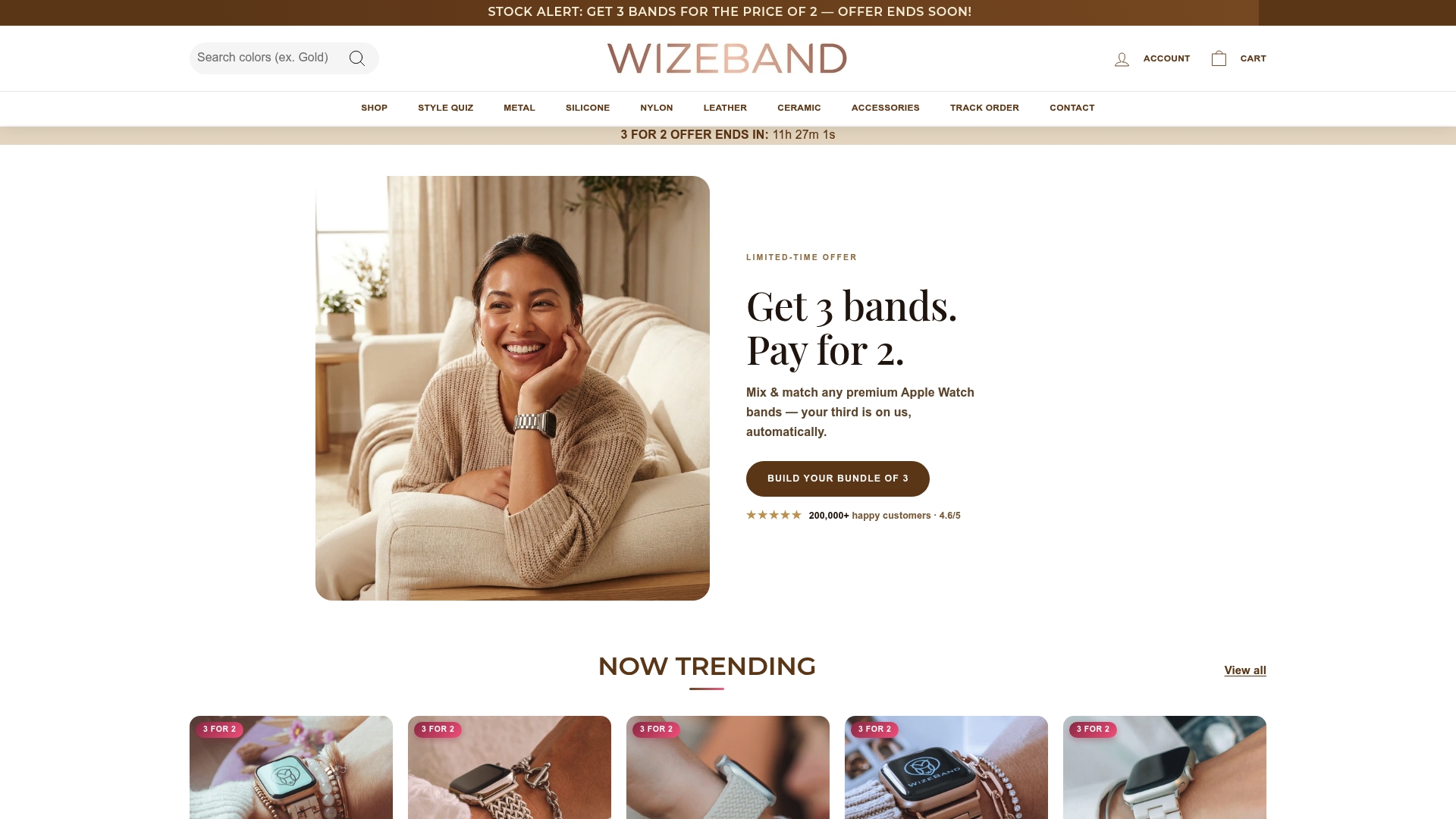
Every band in the Wizeband lineup is compatible with Apple Watch Series 4–10, SE, and Ultra 2. The collection covers five band families, from classic metal straps to feminine quadruple-chain styles, in finishes including Silver Gold, Rose Gold, Starlight, and Gold. For active wear, the Mare Silicone Band delivers comfort and durability without sacrificing a clean look. For professional and formal settings, the Tokyo Metal Strap and Swift Leather Strap offer polished options that wear like jewelry. Two size groups cover every Apple Watch case size, with no measurement required at checkout.
FAQ
Why should I replace my factory Apple Watch band?
Factory bands degrade after one to three years of daily use and are designed for general wear rather than specific activities. Replacing the band improves comfort, reduces skin irritation risk, and lets you match the watch to different occasions.
What are the signs my Apple Watch band needs replacing?
Visible cracking, peeling, discoloration, or a wobbly connector all indicate the band needs to be replaced. A loose connector is a safety issue because it can cause the watch to detach during movement.
Is a metal Apple Watch band better than silicone?
316L stainless steel bands resist corrosion, do not leach allergens, and last significantly longer than unverified silicone alternatives. Metal bands are the better choice for professional settings and for owners with sensitive skin.
How do I remove a stuck Apple Watch band safely?
Apply isopropyl alcohol around the release button and gently rock the band side to side to loosen debris. Press and hold the release button fully before sliding the band out horizontally.
Can I use the same replacement band across different Apple Watch models?
Most replacement bands fit by size group rather than by specific model. Wizeband bands cover Apple Watch Series 4–10, SE, and Ultra 2 in two size groups, so one band works across multiple generations of the watch.
Recommended
From the blog
View all


Leave a comment