


Why Silver Finish Is the Most Versatile Choice
Silver finish is the most versatile surface option available because it combines optical neutrality, top-tier electrical and thermal conductivity, broad manufacturability, and favorable cost trade-offs that no other finish matches across decorative, jewelry, and industrial applications.
The core reasons come down to four pillars:
- Optical neutrality. Silver’s high visible-light reflectivity means it amplifies surrounding colors rather than competing with them, making it compatible with virtually every palette, skin tone, and material.
- Functional properties. Silver carries the highest electrical and thermal conductivity of any element, which is why it appears in electronics, RF components, and medical instruments alongside decorative hardware.
- Manufacturability. Silver can be applied as a bright or semi-bright electroplate, a mechanical surface treatment, or a chemical patina on nearly any substrate, giving designers and engineers multiple production routes.
- Cost and value. Silver plating preserves visual appeal and functional performance at a fraction of the cost of solid precious metals, making it practical at every budget level.
This article covers finish types, production methods, functional properties, sector applications, durability and care, styling guidance, a decision checklist, and a real-world example from Wizeband’s watch band lineup.
Key Takeaways
Silver finish is the most versatile surface choice because it combines optical neutrality, the highest electrical and thermal conductivity of any element, broad manufacturability across substrates, and practical cost trade-offs that hold across decorative, jewelry, and industrial applications.
| Point | Details |
|---|---|
| Optical neutrality | Silver’s high reflectivity amplifies surrounding colors without adding a warm or cool cast. |
| Functional conductivity | Silver carries the highest electrical and thermal conductivity of any element, critical for electronics and RF use. |
| Finish variety | Bright, semi-bright, matte, oxidized, and hammered options suit every application from surgical tools to watch bands. |
| Durability by construction | Stainless silver-tone outlasts thin plate for daily-wear items; plating thickness and underplate spec determine longevity. |
| Wizeband application | Wizeband uses 316L stainless steel for a silver-tone finish that holds up under daily wear without tarnish risk. |
Table of Contents
- Why silver finish is the most versatile: a look at every finish type
- How silver finishes are produced
- What makes silver functionally superior to other finishes
- Where silver finishes are used across industries
- How long silver finishes last and how to care for them
- How silver pairs with colors, gemstones, and other metals
- How to choose the right silver finish for your project
- How Wizeband applies silver finish principles to Apple Watch bands
- When silver is the right call and when it is not
- Wizeband silver-finish bands: built for daily wear
- Sources
Why silver finish is the most versatile: a look at every finish type
Silver surfaces come in five main finish families, each with a distinct look and a natural home in specific applications.
- Bright/mirror finish. A high-gloss, reflective surface produced by electroplating with leveling additives or by mechanical polishing. It reads as clean and formal, which is why it appears on watch clasps, decorative hardware, and high-end electronics contacts. The trade-off: every scratch shows.
- Semi-bright finish. A subdued, low-glare surface that sits between mirror and matte. Semi-bright plating gives a softer shine while retaining excellent solderability, making it a common choice in electronics where glare control and reliable solder joints both matter.
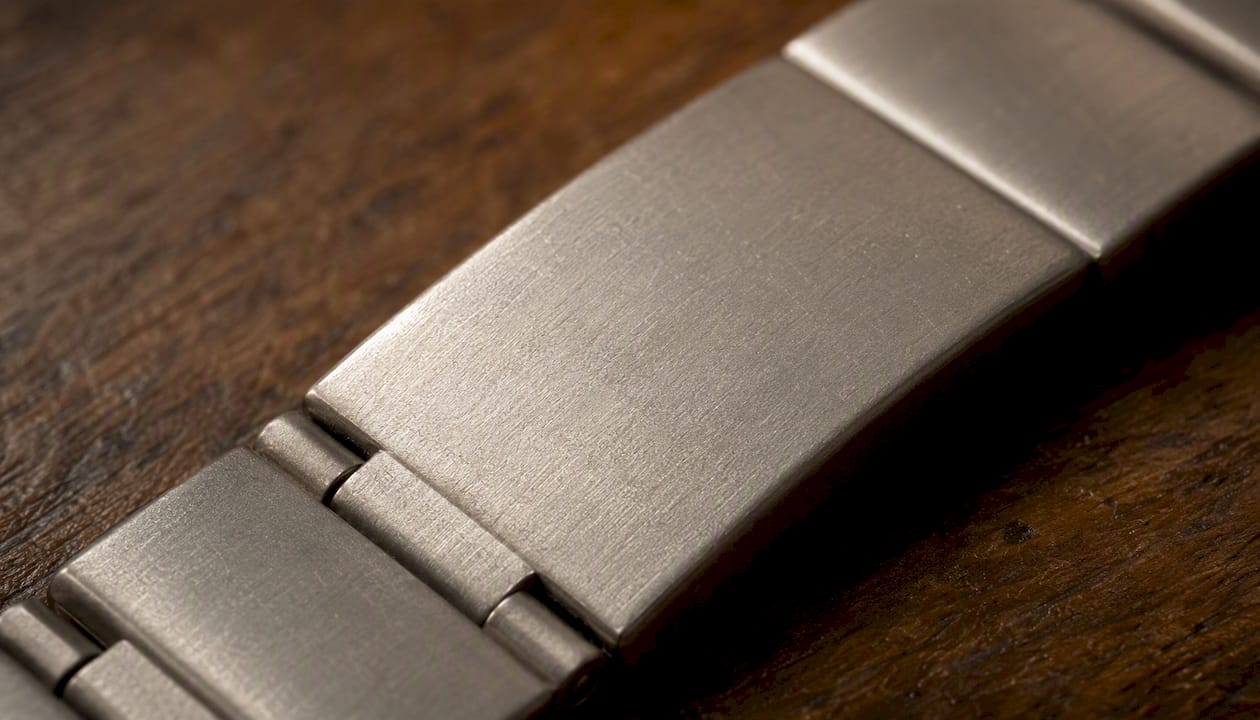
- Matte, brushed, or satin finish. Produced by mechanical brushing or bead blasting after plating. The fine linear texture diffuses light evenly, hides minor scratches well, and reads as contemporary and understated. Watch bands, interior hardware, and architectural fixtures all use this finish regularly.
- Oxidized or patina finish. A controlled darkening of the silver surface using chemical treatments. The result is an antique or two-tone look that adds depth and contrast, often used in artisan jewelry and decorative objects to highlight texture.
- Hammered or textured finish. Mechanical dimpling or stamping creates a faceted surface that scatters light in multiple directions. The visual effect is organic and handcrafted, popular in statement jewelry and accent hardware.
Silver’s high visible-light reflectivity makes every one of these finishes visually neutral, meaning the surface responds to its environment rather than imposing a fixed color cast. That quality is what allows the same base metal to look at home in a minimalist tech product and a vintage-inspired bracelet.
Pro Tip: If scratch masking is a priority, choose a matte or brushed finish over a mirror polish. Fine linear texture breaks up the visual signature of light surface wear, so the piece looks presentable far longer between refinishing sessions.
How silver finishes are produced
Understanding the production route helps you predict durability, cost, and appearance before you commit to a spec.
-
Electroplating (bright and semi-bright). A silver salt solution deposits a thin, uniform silver layer on the substrate using electrical current. Bright plating uses organic additives that level the surface and produce a mirror effect. Semi-bright plating uses fewer additives, yielding a softer sheen. Electroplated silver improves conductivity, corrosion resistance, and visual appeal while reducing cost versus solid silver, which is why it dominates commercial production.
-
Underplates and substrate prep. Plating directly onto copper or brass can cause silver to diffuse into the substrate over time, degrading surface performance. A nickel strike underplate blocks this diffusion and improves adhesion. Specifying the underplate material is as important as specifying the silver thickness for long-term part life.
-
Solid silver and sterling alloys. Sterling silver (92.5% silver, 7.5% copper) is harder than fine silver and holds detail well for cast jewelry. It costs significantly more per part than plated alternatives and requires the same tarnish management, so it is typically reserved for high-value jewelry where solid construction is a selling point.
-
Silver-tone alloys on steel or brass. Rhodium-plated or silver-colored alloy finishes on stainless steel or brass give a silver appearance with no actual silver content. These are common in fashion jewelry and watch bands where tarnish resistance and cost control are priorities.
-
Mechanical surface treatments. Brushing, bead blasting, and hammering are applied after plating or on the base metal itself. They change texture and light behavior without adding a new material layer.
-
Chemical finishes. Liver of sulfur and other oxidizing agents darken silver selectively to create patina effects. Passivation treatments and anti-tarnish coatings (lacquers, e-coating) are applied after plating to slow tarnish in storage and display environments.
What makes silver functionally superior to other finishes
Silver’s physical properties are the reason it appears in sectors that have nothing in common aesthetically.
Silver carries the highest electrical conductivity and the highest thermal conductivity of any element. At high frequencies, electrical current travels along the surface of a conductor rather than through its core, a behavior called the skin effect. Low surface resistivity is critical for high-frequency and high-power applications, and silver’s conductivity advantage over copper and gold becomes most pronounced precisely in those conditions. RF connectors, waveguides, and antenna contacts are silver-plated for this reason.
Optically, silver reflects a broader portion of the visible spectrum at higher intensity than gold, copper, or most other metals. That broad, flat reflectance curve is what produces the color-neutral appearance: silver does not add a warm or cool cast to reflected light, so it reads as neutral against any background.
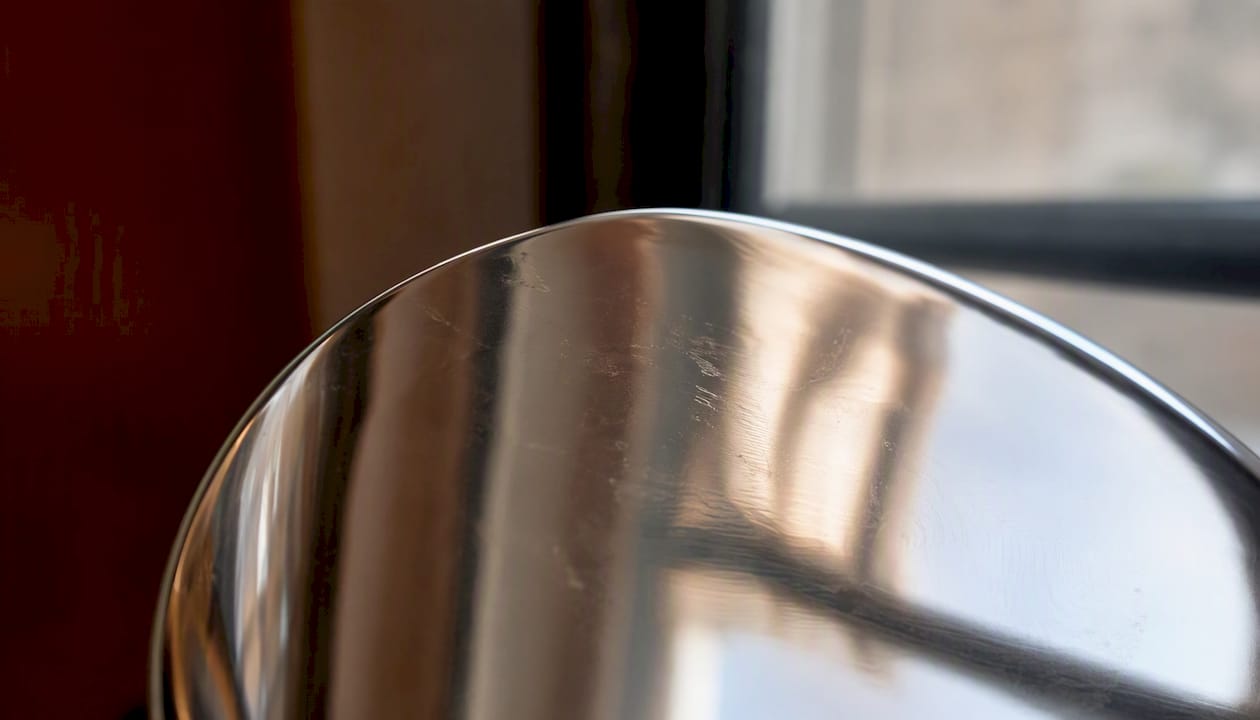
Corrosion behavior is more nuanced. Silver resists oxidation well in clean air but tarnishes readily in sulfur-rich environments (coastal air, industrial atmospheres, rubber-adjacent storage). Anti-tarnish coatings and proper storage address this for most applications. In environments with heavy mechanical wear and no protective coating, silver plating wears through faster than hard chrome or electroless nickel.
Regarding antimicrobial properties: peer-reviewed literature documents antimicrobial activity for certain silver forms, though clinical effectiveness depends on the specific silver compound, concentration, and exposure conditions. This is a relevant consideration for medical instrument surfaces, but the claim should be scoped to the application rather than stated as a blanket property.
Silver’s dual role, aesthetic neutrality for designers and functional excellence for engineers, is noted across industry resources covering silver’s use in electronics and explains its cross-sector prevalence.
Where silver finishes are used across industries
Silver finishes appear in more sectors than any comparable surface treatment, and the reason differs by industry.
- Jewelry and watch bands. The color-neutral tone flatters every skin tone and pairs with any gemstone or fabric. Bright-polish and brushed finishes are both standard, and the finish choice often signals the design register (formal vs. casual).
- Interior and decorative hardware. Door hardware, cabinet pulls, lighting fixtures, and plumbing fixtures all use silver-tone finishes because they coordinate with white, gray, black, and wood tones without clashing.
- Electronics and electrical connectors. Silver electroplating is used across electrical, industrial, and decorative sectors for its conductivity, solderability, and corrosion resistance. A silver-plated RF contact or PCB connector performs better at high frequencies than a gold-plated equivalent of the same geometry.
- Automotive and aerospace. Select connector pins, relay contacts, and bus bar surfaces use silver plating where low contact resistance and heat tolerance are required. Aerospace applications favor silver for its combination of conductivity and weight-to-performance ratio.
- Medical instruments. Surgical tools and diagnostic equipment use silver-tone stainless steel for its clean appearance, sterilization compatibility, and, in some surface configurations, antimicrobial properties. The specific silver form and application determine whether antimicrobial claims apply.
- Consumer products. Appliances, personal care devices, and tech accessories use silver-tone finishes because the color reads as clean, modern, and premium without the cost premium of gold.
How long silver finishes last and how to care for them
Lifespan varies significantly by construction type, wear environment, and maintenance.
-
Thin silver plate on fashion jewelry or hardware (under 1 micron). Expect visible wear at contact points within months under daily use. Suitable for low-wear decorative applications.
-
Standard commercial silver plate (1–5 microns with nickel underplate). Lasts several years in moderate-wear environments with basic care. This is the range used in most consumer electronics contacts and mid-range decorative hardware.
-
Heavy silver plate (over 5 microns, industrial spec). Used in high-cycle electrical contacts and aerospace components. Lifespan is measured in millions of contact cycles or years of field use rather than months.
-
Solid sterling silver. Does not wear through, but tarnishes and scratches. Requires periodic polishing and proper storage to maintain appearance.
-
Stainless steel with silver-tone finish. The base material does not corrode, and the surface finish (brushed or polished) holds up well under daily wear. This is the most practical choice for wearables and hardware exposed to moisture and skin contact.
Practical care steps:
- Wipe silver-finished pieces with a soft, dry cloth after contact with skin, moisture, or cosmetics.
- Store in anti-tarnish pouches or cloth-lined boxes away from rubber and sulfur-emitting materials.
- Clean with a mild soap solution and a soft brush; avoid abrasive cloths on bright finishes.
- For plated pieces, avoid ultrasonic cleaners, which can accelerate plating wear at edges.
- When tarnish appears on sterling, use a silver polishing cloth rather than liquid dip, which removes material with each use.
Replating is a practical option for high-value plated pieces once the base metal shows through. For stainless silver-tone bands and hardware, refinishing the surface mechanically (re-brushing or re-polishing) restores appearance without adding new material.
How silver pairs with colors, gemstones, and other metals
Silver’s optical neutrality is the core reason it works with nearly every palette.
- Warm palettes. Silver does not add warmth, so it creates a clean contrast against terracotta, camel, olive, and rust tones. The contrast reads as intentional rather than mismatched.
- Cool palettes. Against navy, slate, white, and gray, silver blends naturally. A brushed silver finish in a cool-toned interior reads as part of the palette rather than an accent.
- Mixed-metal styling. Silver anchors a mixed-metal look because its neutrality does not compete with gold or rose gold. Wearing silver and gold together works when one finish dominates and the other appears as an accent. For guidance on choosing between silver and gold finishes for a watch band, the dominant outfit tone is usually the deciding factor.
- Gemstones. Silver pairs with every gemstone color. It is the traditional setting metal for diamonds, sapphires, and emeralds because it does not add a competing color cast to the stone.
- Fabrics and textures. A high-polish silver finish reads as formal against silk or structured fabric. A brushed or matte finish reads as casual against denim or linen. Matching finish texture to fabric weight is a reliable rule.
For more silver-gold watch band styling examples, the principle holds: the finish texture (bright vs. brushed) matters as much as the color.
How to choose the right silver finish for your project
A short checklist prevents the most common specification mistakes.
-
Define the use case. Is the piece worn daily, displayed, or used in an electrical application? Daily wear demands scratch resistance and tarnish tolerance. Electrical use demands conductivity and solderability specs.
-
Set the priority: appearance or function? A bright mirror finish maximizes visual impact but shows wear. A semi-bright or matte finish hides wear and performs well in soldering applications.
-
Set the budget. Solid sterling is the highest cost. Heavy industrial silver plate is next. Standard commercial plate and silver-tone stainless are the most cost-effective options for most applications.
-
Assess maintenance tolerance. If the end user will not polish or store carefully, choose a stainless silver-tone or a heavily coated plate over bare sterling or thin plate.
-
Ask the right questions when sourcing. Request the plating thickness in microns, the underplate material and thickness, the post-treatment (anti-tarnish, lacquer, passivation), and any warranty or lifespan specification. A quote that specifies only “silver finish” without these details is incomplete.
-
Watch for red flags. No thickness specification, vague underplate description (“standard prep”), and no mention of post-treatment are the three most common signs of a low-quality spec. Specifying thickness, underplate, and post-treatment is more important to part life than naming the finish alone.
How Wizeband applies silver finish principles to Apple Watch bands
Wizeband’s bands demonstrate the same finish decisions described above, applied to a wearable product with specific demands: daily skin contact, moisture exposure, mechanical stress at the clasp, and a jewelry-level appearance standard.
The base material is 316L stainless steel, a grade chosen for its corrosion resistance, hypoallergenic profile, and ability to hold a bright or brushed surface finish without a separate plating layer. This is the stainless silver-tone approach: the substrate itself provides the silver-like appearance and the durability, without the tarnish risk of bare silver plate.
- Silver Gold and Starlight finishes use a polished or lightly brushed stainless surface that reads as silver-toned in most lighting. The finish is durable under daily wear because the base material, not a thin plate, carries the surface.
- Butterfly and jewelry clasps benefit from a bright-polish finish at the clasp face, where visual detail matters most, while the link surfaces may carry a brushed finish for scratch masking.
- Quick-adjust systems require consistent surface hardness at the adjustment points. Stainless silver-tone holds up better here than a soft silver plate would.
For daily wear, the Echo Stainless Band and Nete Stainless Band are practical choices: the stainless construction handles moisture and friction without the maintenance that sterling or thin-plated alternatives require. For a more polished, jewelry-forward look, the Daphne Metal Band shows how a bright-finish metal band reads as formal while staying wearable every day.
When silver is the right call and when it is not
Silver is the default pick when you need a finish that works across contexts without committing to a specific aesthetic register. Its neutrality means it does not force a design decision on the viewer. Its conductivity means it does not force a compromise in electrical performance. For a designer or engineer who needs one finish to cover multiple use cases, silver is the rational starting point.

That said, there are situations where a different choice is better. In sulfur-rich or industrial environments, silver tarnishes faster than gold or rhodium, and the maintenance cost outweighs the conductivity advantage. For high-wear mechanical contacts without a protective coating, hard chrome or electroless nickel holds up longer. For a warm, luxury aesthetic, gold or rose gold reads more intentionally than silver, which can read as neutral to the point of being generic in that context.
Three quick rules:
- If the environment is corrosive or sulfur-rich, specify a protective coating over the silver or choose a more chemically stable surface.
- If the design intent is warmth and luxury, silver is the neutral option, not the statement option. Use it as a supporting finish rather than the hero.
- If budget is the primary constraint and appearance is secondary, a silver-tone stainless or rhodium-plated alloy delivers the look at lower cost and with better tarnish resistance than bare silver plate.
Wizeband silver-finish bands: built for daily wear

The finish principles in this article show up directly in Wizeband’s lineup. Every band is built from 316L stainless steel, which delivers a silver-tone surface that holds up under daily wear, moisture, and skin contact without the tarnish risk of bare silver plate or the fragility of thin decorative plating. The result is a band that looks like jewelry and performs like hardware.
The WizeBand Essentials Bundle is a practical starting point: it includes popular finishes across the lineup, so you can see how silver-tone stainless reads against your wardrobe and your Apple Watch case before committing to a single style. Compatible with Apple Watch Series 4–10, SE, and Ultra 2, with a quick-adjust system that removes the guesswork from sizing.
Sources
- Applications of Silver Electroplating in Electrical and Decorative Products
- Silver Plating for High-Conductivity Parts - The Lindgren Group
- Key Benefits of Silver Electroplating | Sharretts Plating Company
- The Benefits of Silver Plating for Commercial Applications
Recommended
From the blog
View all


Leave a comment